
We love our community of
Brookside
Help us create a Restrictive Covenant to protect our neighbourhood
Edmonton’s Zoning Bylaws have changed
What you should know
With Edmonton’s current Zoning Bylaw 20001 – Infills in Brookside could have:

\

Up to 8 dwelling Units per Lot
Eight dwelling units does not just mean 8 more people. It could mean roommates, couples, and/or families inhabiting one unit together.

Up to 3 storeys in Height
Potential to drastically change the uniformity and character of the neighbourhood.

No Minimum Parking Requirements
No garages or parking is required on site for new units. This means more traffic and crowded streets.
The Hidden Costs of Multiplex Infills
Multiplex infills aren’t just new homes. There are more things to consider including:
45% site coverage and no protection of trees means loss of mature trees and less green space
Massive builds shadow sun for solar panels, gardens and reduce sun access for neighbours
No parking required onsite increasing traffic and parking on streets
Greater building mass and reduced permeable surface area increase stormwater and runoff elevating flood risk
Two bins per unit, crammed into less space – creating congestion, odour, and eyesores
More people, more activity and more noise from A/C, exhaust fans, dryer vents and light pollution from multiple entries/ windows.


Families are competing with developers and investments firms
A family is looking for a home. A developer wants to make money. If they demolish a single-family home to build rental multiplexes, they are not concerned with the repercussions – it’s more money for them.
To Get ahead, We’ve developed
Our 4 Step Plan

Let’s make it happen.
As a group of volunteers who care about our community, we have put together a 4 step plan towards a restrictive covenant.
01.
Initiation & Engagement
What is the issue?
What might Brookside pursue?
Is there enough interest to move to the next step?
02.
Development ← We are here
What Restrictive Covenant options do we want to pursue?
What would it mean to me?
What are the benefits vs shortcomings?
If there is agreement on the options and details, we will move forward.
03.
Convergence
Can we agree on a way to move forward?
How many residents will support this direction?
If there is a significant number of residents interested, we will move forward.
04.
Execution
Establish the Restrictive Covenant, legal agreement with an attorney.
Gain signatures from residents.
Document filing and oversight.
You can Make a Difference
We Need Your Help
To gather and compile information from Brookside residents

Door Knockers
Thank you to our volunteers who visited resident’s homes and collected information about Restrictive Covenant preferences between October 18th-November 1st, 2026. The goal was to seek interest, share information and ask for resident’s thoughts.

Block Captains
Thank you to our Block Captains who connected with Door Knockers in their zones during canvassing and afterwards to ensure they were supported. They collected and inputted results to share at our November 29th meeting.

Attending Meetings
Meetings to date have had increasing attendance and involvement. Our next meeting date is November 29th, 2026. Meeting times and locations are shared on our Facebook Page and by email.

Use Your Voice
We completed neighbourhood canvassing between October 18- November 1st, 2026 to gather information on residents’ thoughts and concerns. If you were not home and would still like to participate, please email action.brookside@gmail.com

Share Your Expertise
If you have expertise in a specific area that you feel would be beneficial to developing a Restrictive Covenant for our community, please email us at action.brookside@gmail.com

Contact our Government Representatives
Our Ward City Councillor, Mike Elliot attended our Brookside Infill Meeting in October. Contact him at mike.elliott@edmonton.ca or 780-496-8130.
Express your additional infill concerns to Premier, Danielle Smith by email at premier@gov.ab.ca.
What’s Happening in Edmonton
People in Edmonton care about the future of their neighbourhoods and have been in protest. Premier Danielle Smith, has ordered Edmonton City Council to revert to their previous Zoning Bylaws prior to the 2024 change. However, it does not change current builds or any infill that could be built in the next few months. City Council’s revisions to the Zoning Bylaw still may not be what we’re looking for.
We still need to take action.
The Reality of Multiplex Builds
Infills In Edmonton
The following images show the impact of infills and multiplexes across different neighbourhoods in our city. We don’t know what the future holds for infills or city bylaws, but we can have a say in what the future of Brookside is like.
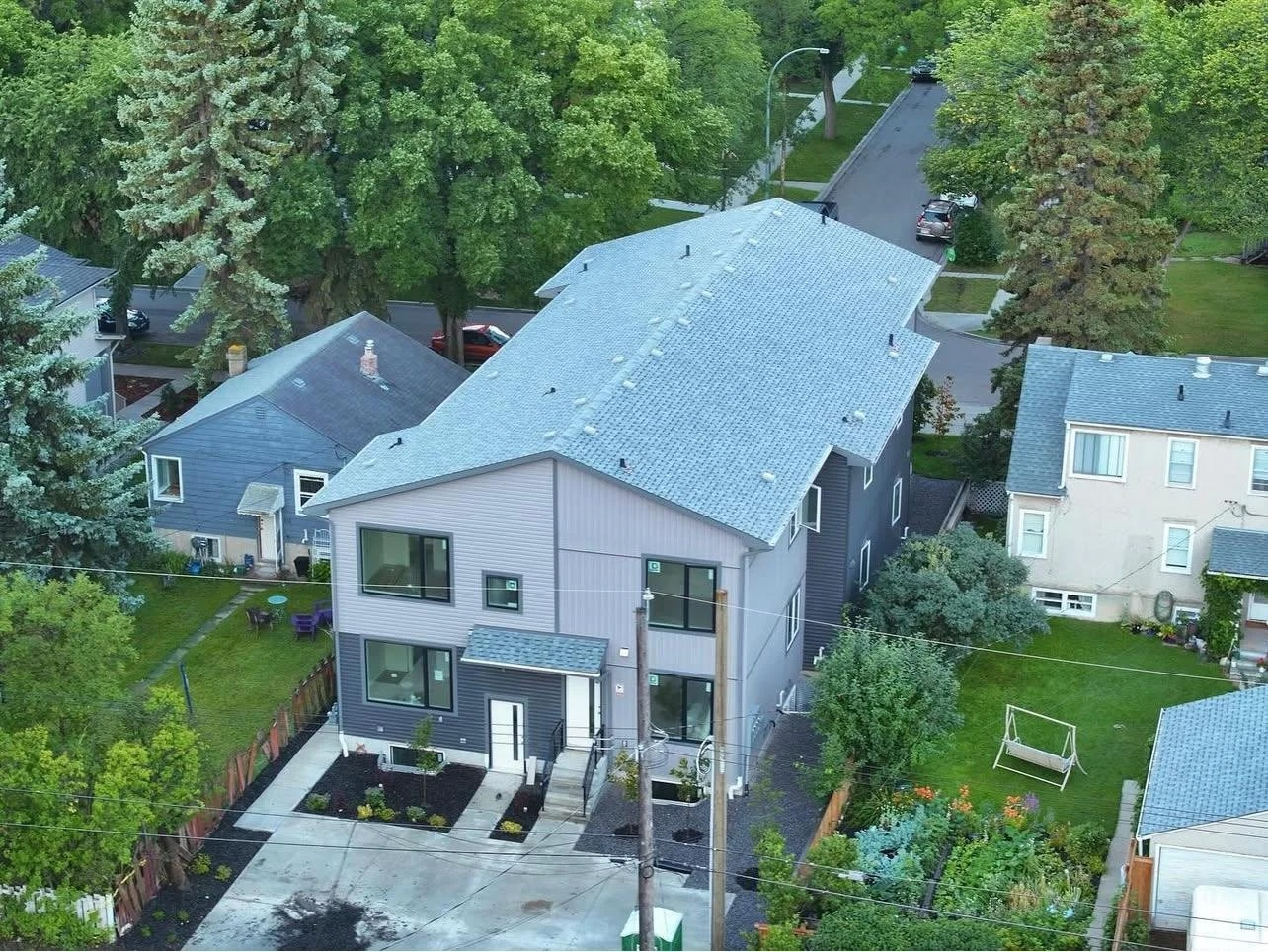
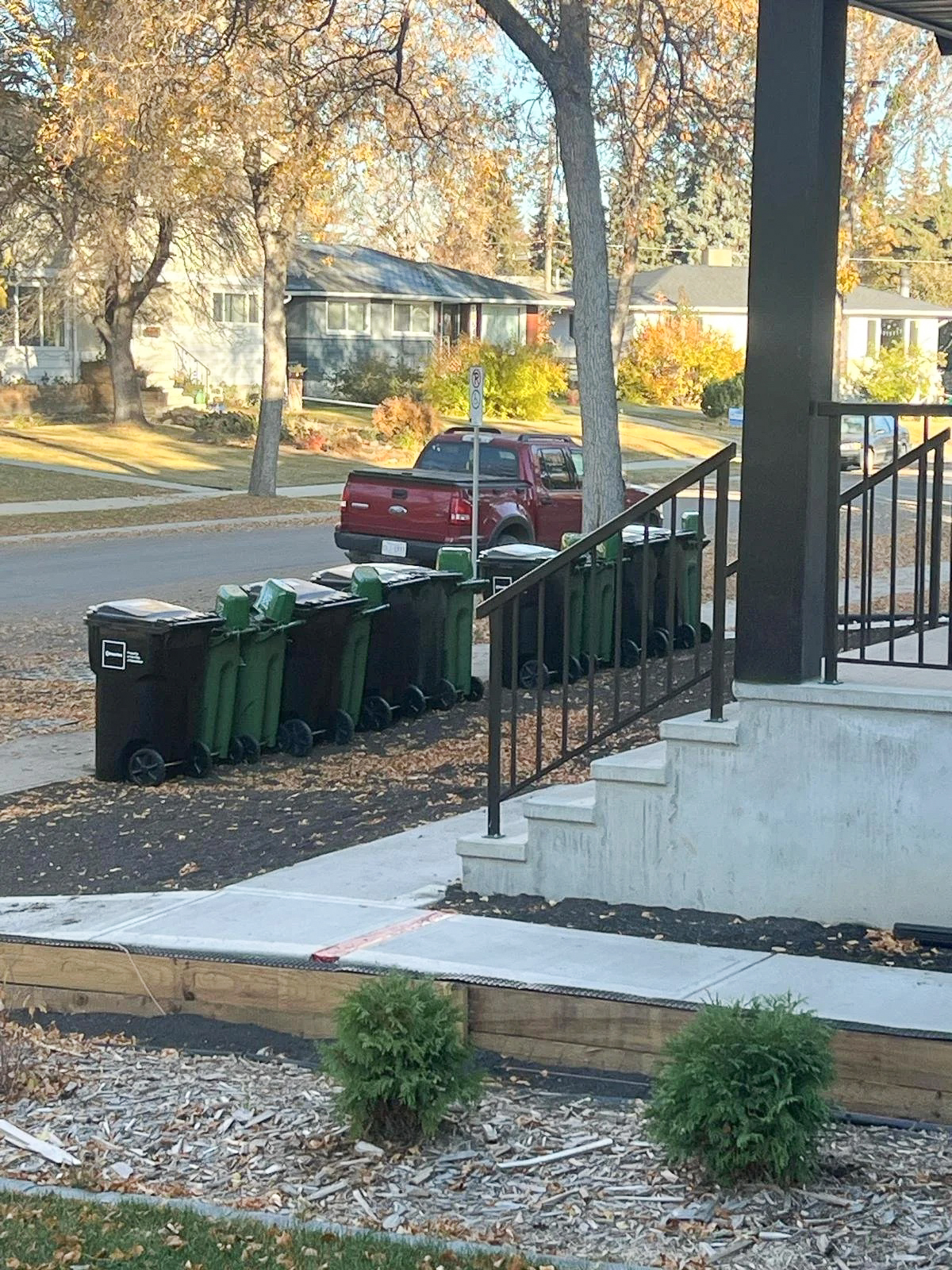
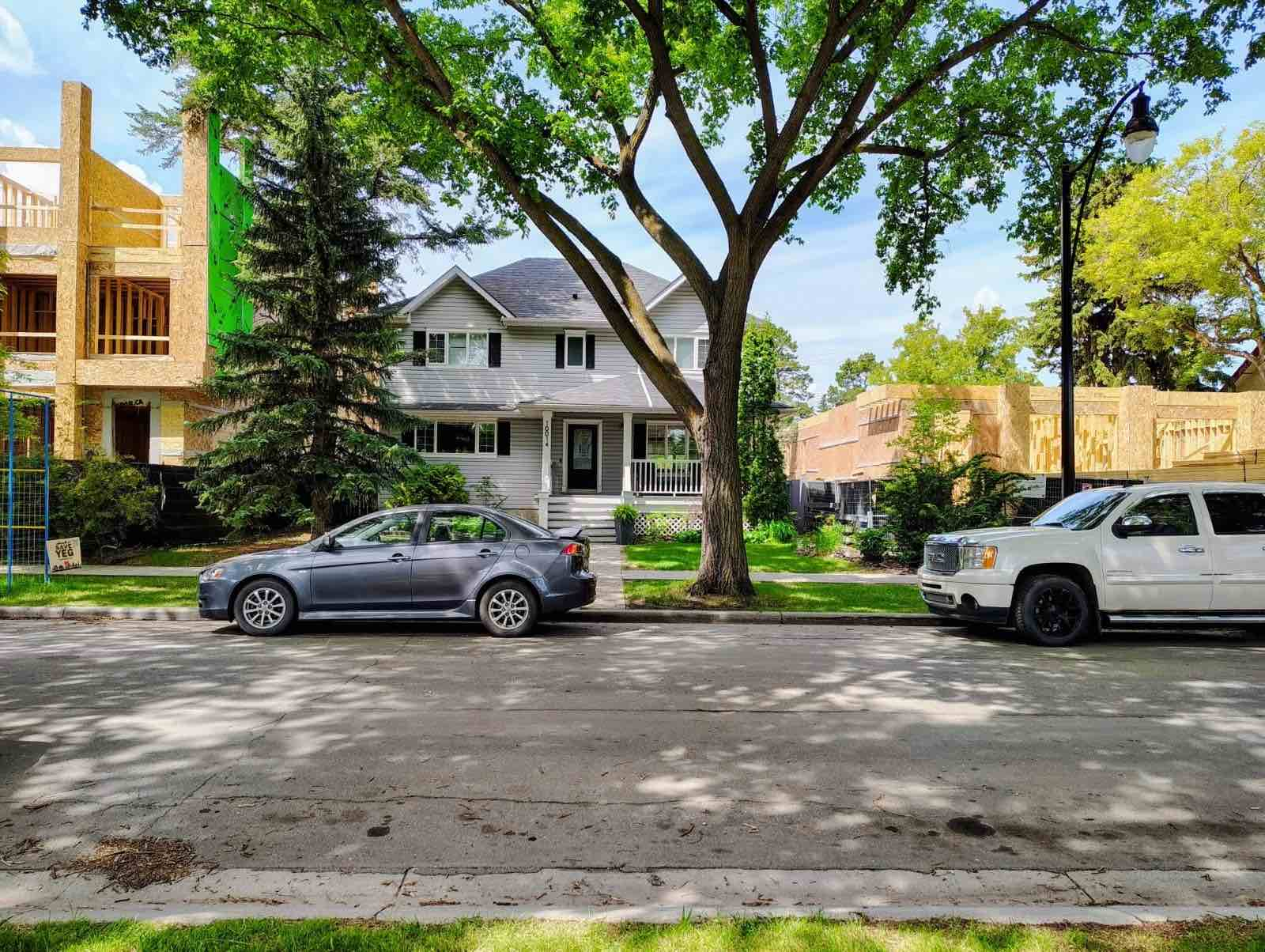
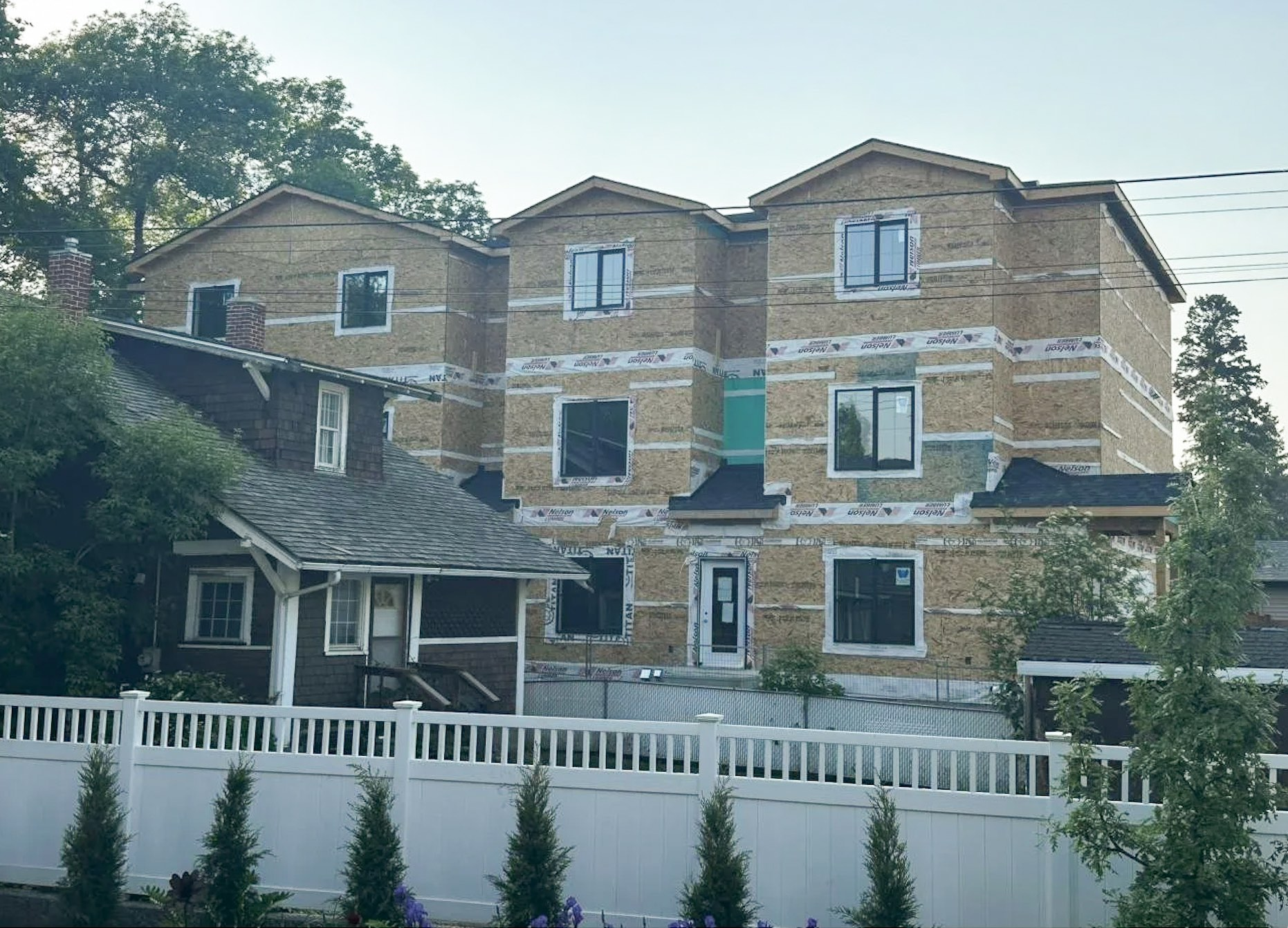
Photos are taken from www.edmontonneighbourhoodsunited.com
When communities come together
Real stories, real success
Restrictive Covenants are created with a group of residents and legal counsel to determine how the land on a property can be used or developed. Other neighbourhoods in Edmonton have already established Restrictive Covenants including: Old Glenora (Carruthers Caveat), Westbrook, Hardisty, Rio Terrace, Crestwood, Belgravia, Duggan and Rideau Park.
Will Brookside be next?


FAQS
Frequently asked questions
A restrictive covenant is a legal agreement registered on a property’s title that restricts how the land can be used or developed. A restrictive covenant is tied to the land itself, not the owner, so unless discharged through a legal process, a RC endures from property owner to property owner.
Edmonton’s current zoning allows significantly more housing forms and development capacity than the previous zoning framework. Brookside is exploring an RC as a potential tool to support additional housing while giving residents more say over the scale and form of development in our neighbourhood.
Most Restrictive Covenants (RC’s) are simple agreements. They are legal documents, typically a few pages in length, containing:
- A description of the properties affected.
- Definitions of the “dominant” and “servient” lands (legal terms identifying who benefits from and who is bound by the covenant).
- The specific restrictions being imposed.
- Enforcement provisions.
- Registration requirements at Alberta Land Titles.
Most covenants are written to last indefinitely, but they can include a sunset clause (for
example, 20 or 30 years) if neighbours want to review or renew it later.
RC’s can only be discharged, modified, or otherwise terminated through appropriate legal means.
Yes, but only if all affected property owners agree, or through a court order. This ensures that one owner cannot unilaterally change or cancel it without everyone’s consent.
The city of Edmonton does not enforce private covenants. Any person who has signed the same restrictive covenant (RC) can enforce it. Enforcement is up to an individual or a group of signatories of the RC. If someone violates the RC, RC participants can collectively take legal action- by seeking an injunction or compliance order through the courts.
The more households that sign on to the Restrictive Covenant, the stronger and more
affordable the enforcement power becomes. A larger group means a larger pool of
people (and resources) to share the cost of any legal challenge if needed. It is the responsibility of all owners on the RC to be vigilant about identifying any developments that are not honouring the RC.
Challenging a covenant through the courts can be complex and expensive. Where a covenant includes a large number of participating properties, any legal challenge may require notice to hundreds of affected owners and successors in title. While a developer may apply to the Court of King’s Bench to discharge or modify a covenant, the developer must demonstrate that the covenant has become obsolete, no longer benefits the affected properties, or that circumstances have changed sufficiently to justify its removal. Where hundreds of property owners are parties to the covenant, the cost and complexity of notifying affected owners and litigating the matter can be significant.
For this reason, many neighbourhood initiatives seek broad participation, as a larger covenant typically demonstrates stronger community support and may increase the complexity of any challenge.
A Restrictive Covenant (RC) is a private, legal contract. The City of Edmonton cannot remove or enforce an RC. It is the responsibility of Property Owners to enforce their established RC.
No. City zoning is created by the City and can change with Council approval. An RC is a private legal agreement that would establish additional private restrictions on participating properties.
The typical process is:
- Gauge neighbourhood interest.
- Develop a proposed covenant.
- Retain legal counsel.
- Collect expressions of interest.
- Hold formal signing sessions.
- Register the covenant on title for participating properties.
Once lawyers have completed registration, the covenant becomes enforceable according to its terms and applicable law.
Examples of common terms in Edmonton neighbourhoods:
- Lot splitting allowed (or not allowed)
- Maximum units per lot (e.g., up to 3, but no triplex)
- Height limit (e.g., two storeys maximum)
- Garage suites allowed (or not allowed)
- Front driveways permitted or restricted
- Minimum setbacks from the street
- Site coverage limits (e.g., 45%)
It is the decision of each neighbourhood to determine what is included in their RC.
Some neighbourhoods:
- allow lot splitting and up to 3 dwelling units per lot
- do not allow lot splitting and only permit a primary dwelling unit with a
garage suite or basement suite - only allow single family homes.
Several communities in Edmonton have Restrictive Covenants including: Old Glenora (Carruthers Caveat), Westbrook, Hardisty, Rio Terrace, Crestwood, Belgravia, Duggan, and Rideau Park. Some restrictive covenants were implemented when the communities were built and others have recently implemented them.